The “Statistical Physics and Condensed Matter” Group brings together the following teams:
The first theme covers many aspects of statistical physics including several interdisciplinary interfaces. Research topics include the study of phase transition phenomena, the statistical mechanics of open quantum systems out of equilibrium, the statistical physics of complex systems, and biophysics. Methods range from rigorous approaches to numerical simulations and data analysis. Furthermore, the team develops interfaces both within and outside the field of physics.
The second theme of the group focuses on quantum transport in mesoscopic systems and nano-objects: these systems are small enough in size and temperature for charge carrier propagation to occur coherently. The main devices studied are:

Statistical Physics and Complex Systems
The team’s activities cover a wide spectrum in statistical physics, ranging from open quantum systems to complex systems and their interdisciplinary applications.
Nanophysics
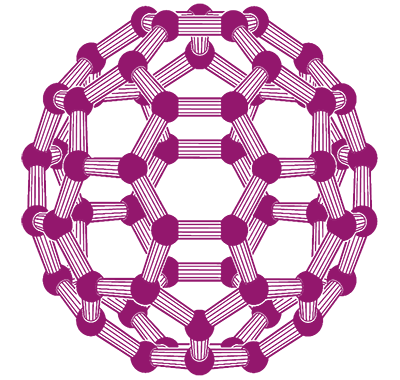
The nanophysics team theoretically studies quantum electronic transport (electronic or thermal current and its fluctuations) in nano- and mesoscopic systems: quantum dots, semiconductor nanowires, and superconductors.